
Travelling to Australia for the first time can feel a little overwhelming, with so much to organise and plan. That’s why we’ve put together this helpful guide to make preparing for your Australian trip stress-free.
Did you know that if using Travel Hub to plan and book your travels, that there is a $0 service fee?
This is one of biggest reasons to book through us, not only do you get world class service, but it costs the same if not cheaper to book with us!


Before you arrive, there are a few key things to sort out to help your trip run smoothly and ensure you make the most of your time in Australia.
Make sure your passport is valid for at least 12 months from the day you arrive in Australia. Even better if it’s valid longer, in case you stay longer than planned You’ll need your passport to enter Australia and set up most things once you’re here. To check into most accommodations, you’ll even be asked to show your passport. So, it’s super important to have everything sorted in advance!
It’s a good idea to apply for your visa at least 3 to 4 months before your planned travel date, definitely don’t book your flights before getting visa approved as they sometimes have big delays. Double-check all the details before submitting your application, as any mistakes can lead to delays or even cause it to be rejected. Keep in mind that applying for a visa from outside Australia often takes longer than applying from within the country, so it’s important to get started as soon as possible to avoid any potential delays.
The cost is usually around $500 AUD.
You can use the Australian Government’s Visa Finder page to explore your visa options.
t’s a lot easier and often cheaper to sort everything out before you arrive, rather than waiting until you’re already here. Things can go wrong on the road, so having travel insurance as a safety net is a smart move. Plus, booking in advance usually means a better price, so now is the best time to lock it in!
Cost is typically around $600–$1000 AUD per year. You can organise your travel insurance directly on our website.
Your driver’s license must be in English, or you will need to get an international licence if you plan to drive in Australia. This has to be applied for in your home country. UK, Ireland, USA and Canada are usually exempt from international licences, however if you plan to drive for more than 3 months you will need to get an Australian licence. There are different rules depending on the state you are in. Don’t forget to drive on the left when you are in Australia.
As you organise your trip around Australia, here are a few key things to tick off to help make your trip more enjoyable.
The main cities to choose from are: Sydney, Canberra, Melbourne, Adelaide, Brisbane, Perth, Darwin, and Cairns.
Depending on whether you want to travel or start your regional work, will determine where you should start when you first arrive. We recommend starting in Sydney and working your way up the coast for travelling, or stay in Cairns for regional work.
Book your flights as far in advance as possible. The sooner you book it the cheaper it will be. Bear in mind that depending on the time of year the prices will fluctuate. The average is $1500AUD return. The flight will usually be at least 24 hours with a stop over so bear this in mind and prepare yourself for a comfortable flight.
We recommend booking your accommodation in advance if you’re planning to travel first. This is especially important because accommodation can get more expensive or harder to find the closer you get to your travel dates. The East Coast is super popular, and a lot of places tend to book out early. By sorting everything ahead of time, you’ll have a wider range of options and avoid missing out on the best spots.
You should have an idea of how much you are happy to spend all in. This helps when getting prices for things along the East Coast. We recommend planning transport, tours and hostels etc first so that you can see how much money will be left over for food & drinks.
Typically you will spend about $50-$100 for food and drink, but will be less if you don’t spend all your money on eating out. Meal prepping at your hostel or pre-drinking can help bring the costs down.
It’s important to decide how you want to get from A to B, as this will shape both your route and your budget. You have three main options for travelling around Australia.
The most popular for discovering hidden gems is by campervan, giving you the freedom to explore at your own pace. You can use our campervan finder to compare and book options.
For solo travellers on a budget, bus travel is often the cheapest choice. A hop-on hop-off pass is a great way to see more of the country without overspending.
And finally, flights are the quickest way to cover long distances. While usually more expensive, they can be the most convenient option. You can book flights directly through our website.
As you arrive in Australia, there are a few important things to sort out. Especially if you’re planning to work, travel, or do a bit of both during your stay.
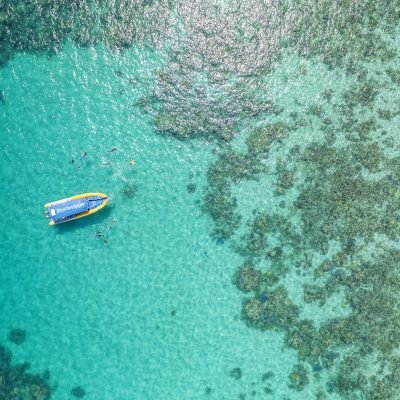
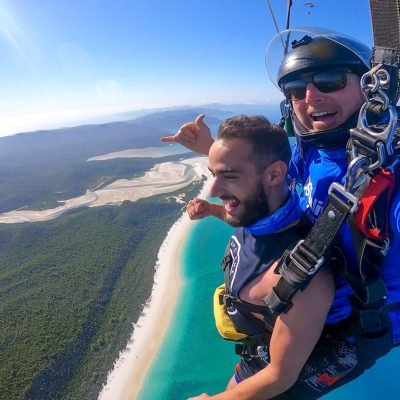
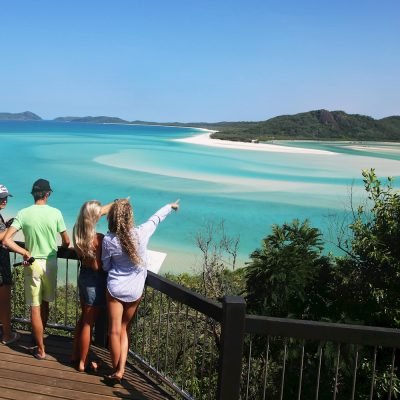
If you’ve got the budget, we’d highly recommend kicking off your Australia trip on the East Coast. It’s the perfect way to explore different cities, meet new people, and get a feel for where you might want to settle if you’re thinking of working here long-term. The East Coast has it all – sailing the Whitsundays, exploring Fraser Island, and even skydiving! It’s definitely the best place to dive into Australia’s mix of adventure, culture, and nightlife.
To get paid for any work you do in Australia, you’ll need an Australian bank account. Luckily, there are plenty of options, and which bank you choose really depends on your personal preference. To open an account, all you need is your passport and proof of an Australian address (this could be from a backpacker hostel, a friend or family member’s place, or even a post office). You’ll also need a Tax File Number (TFN), but don’t worry if you haven’t received it yet, it can be sorted out later.
Some of the most popular banks for international travelers are:
If you’re on a temporary visa in Australia, it can be tricky to get a contract phone plan, but the good news is there are plenty of great prepaid SIM deals. For around $30 AUD a month, you’ll get texts, calls, data, and usually some international minutes too. Just make sure your phone is unlocked, as these SIMs only work in unlocked phones. It’s usually easier to unlock your phone before you arrive, rather than doing it once you’re here.
The most popular mobile networks are:
Your TFN is an essential ID number that allows you to work legally and pay taxes in Australia. You’ll need to provide it to your employer and submit a tax return each year by the end of June (the financial year’s end).
You can apply for your TFN online through the ATO website, in person at an ATO office, or by calling 132 861.
If you’re planning to work in Australia, getting your TFN is a must. The good news is that as soon as you’ve applied, you can usually start working right away, just show your employer the proof of application document they give you.
Australia’s healthcare system, called Medicare, is similar to what you find in countries like the Netherlands and France. It’s primarily for Australian citizens and permanent residents, but people from certain countries can also access it. If your country is eligible, we highly recommend signing up for Medicare, even if you already have travel insurance as it could save you a lot if you need medical care.
To find out if your country qualifies and for more details, click here. You’ll need your TFN and an Australian bank account to apply.